Should I replace my windows?
Of course! Call us.
Just kidding, mostly.
In this article, we will look at some of the top factors you should consider to make an informed decision.
Here’s the short-list:
Let’s go through each one of these in some detail.
Age
Window technology is always changing. Windows can be grouped roughly into “generations” where there are major technological or regulatory upgrades to standards and requirements. They go something like this:
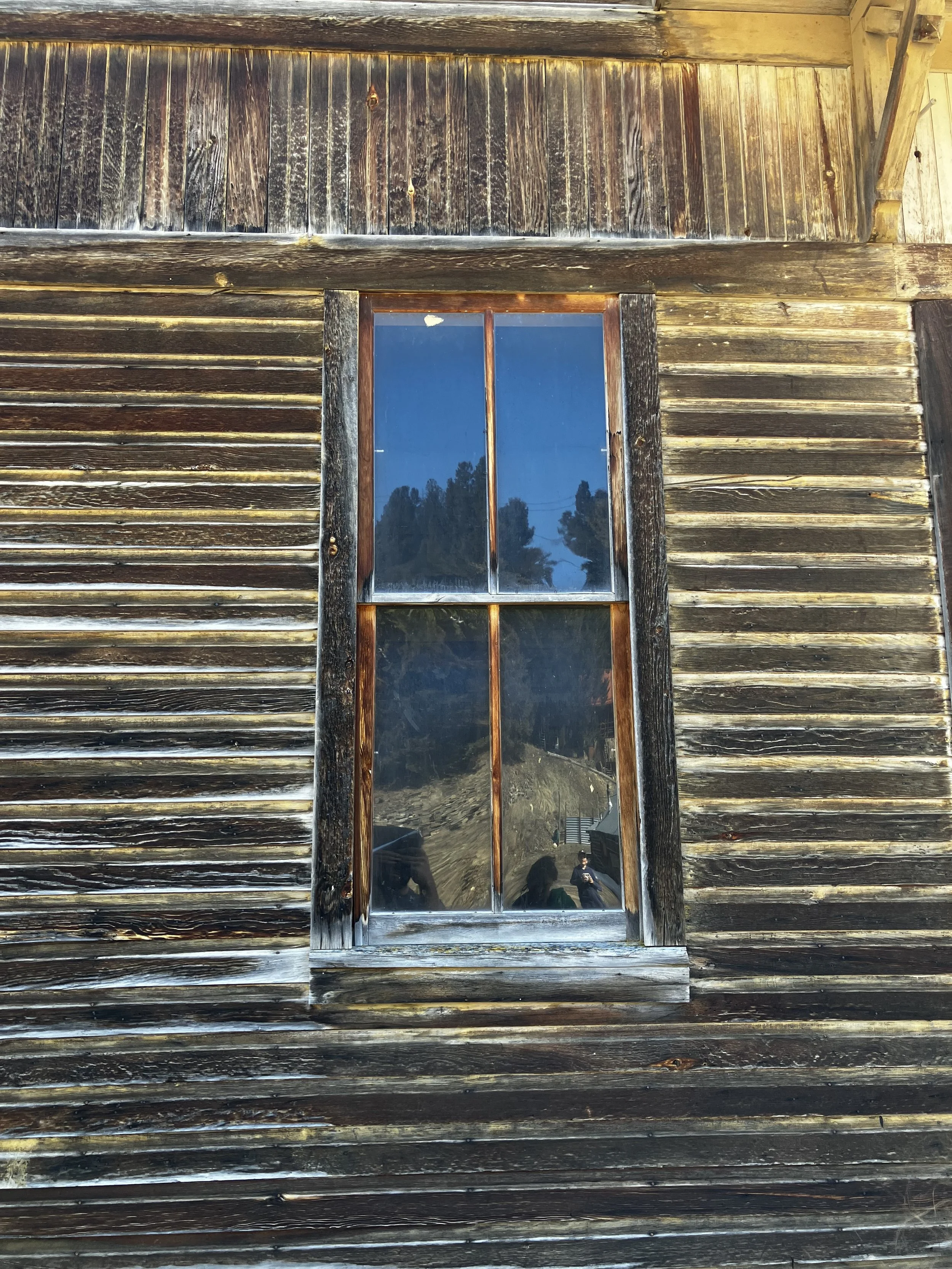
100 year old window
Pre-1978 - Likely involves lead and lead remediation just to swap them out. Single-pane. Wood frames. Poor insulation, no sealing, no e-coatings (UV protection and insulating properties in the glass).
1978-1988 - Dual-panes are coming in. Air-filled. Weak seals (likely failed by now, resulting in fogging). No E-coatings. Some aluminum frames. No thermal blocking.
1988-2000 - Energy codes are becoming standard. Gas-filled. E-coatings. Synthetic frames. Thermal breaks in aluminum frames. Better seals.
2000-2010 - IECC is virtually ubiquitous. Gas-filled is standard. E-coatings are standard. Dual panes are standard. Vinyl is dominant. Sealing is better. If you are looking into window replacement, there’s a good chance your home is built in this time-frame, and has original windows.
2010-2020 - Argon-filled, dual-pane, e-coatings are all getting significantly better. .u-factors are lower than ever. Thermal breaks, foam-filled frames, edge-spacers are all ubiquitous. Very energy-conscious regulatory environment and culture is driving technology. Sealing is excellent. Triple-pane is becoming a mainstream option.
2020-present - You have brand new windows, why are you here?! Building science is in full energy-conscious mode. Installation standards are being properly polices. .u-factors are getting impressive, as low as .15-.25. There is a lot of esoteric building-envelope science, whole-wall considerations, and nitty-gritty window tech all starting to work together.
That’s a rough sketch of how windows have evolved over time. If your windows are 20 years old or so, it’s reasonable to consider replacing them because 1. they are built with old technology and old standards and old materials, and 2. they are or will soon be failing to perform even to the standards they were designed for.
Damage
Your windows are subject to more stress than one might expect. The rain, snow, wind, and hail all take a toll. More than those, the sun degrades them. Your house settles and cracks the caulking (or worse). The seals fail with enough time, or due to faulty manufacturing. They don’t insulate well enough and condensation causes water damage on the inside now as well as the outside.
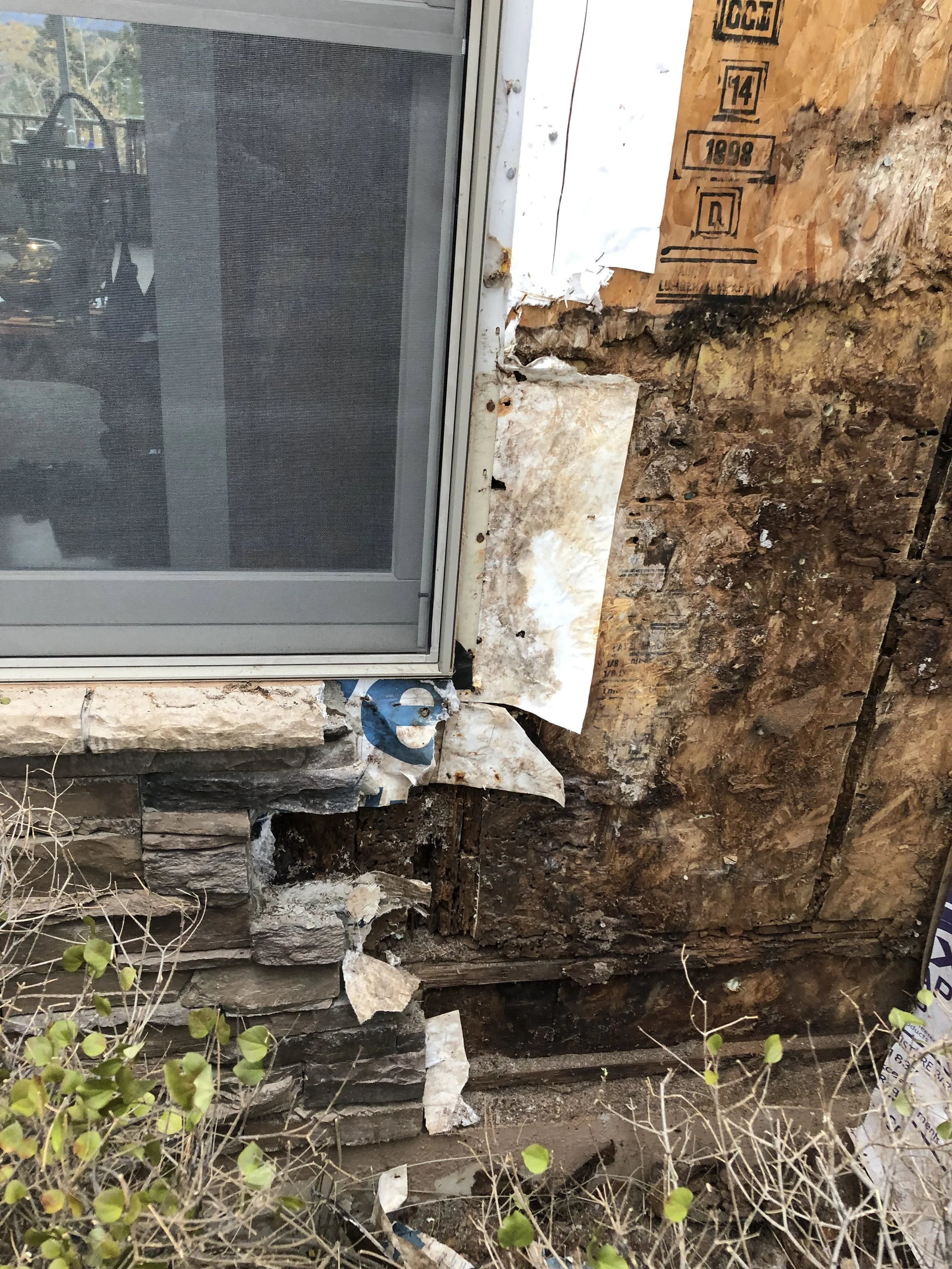
Rot and mold
And, perhaps worst of all, the frames begin to crack from all of this abuse and more. Sometimes the installer failed to install proper flashing, or the trims failed, and water begins to infiltrate behind the siding, causing structural damage over time. The window in this picture is not ancient - this is a normal amount of damage when water gets behind the siding every storm, year in and year out.
Leaks
The rub on leaks is: if you notice it, it’s probably worse than you think. Many leaks go unnoticed for years.
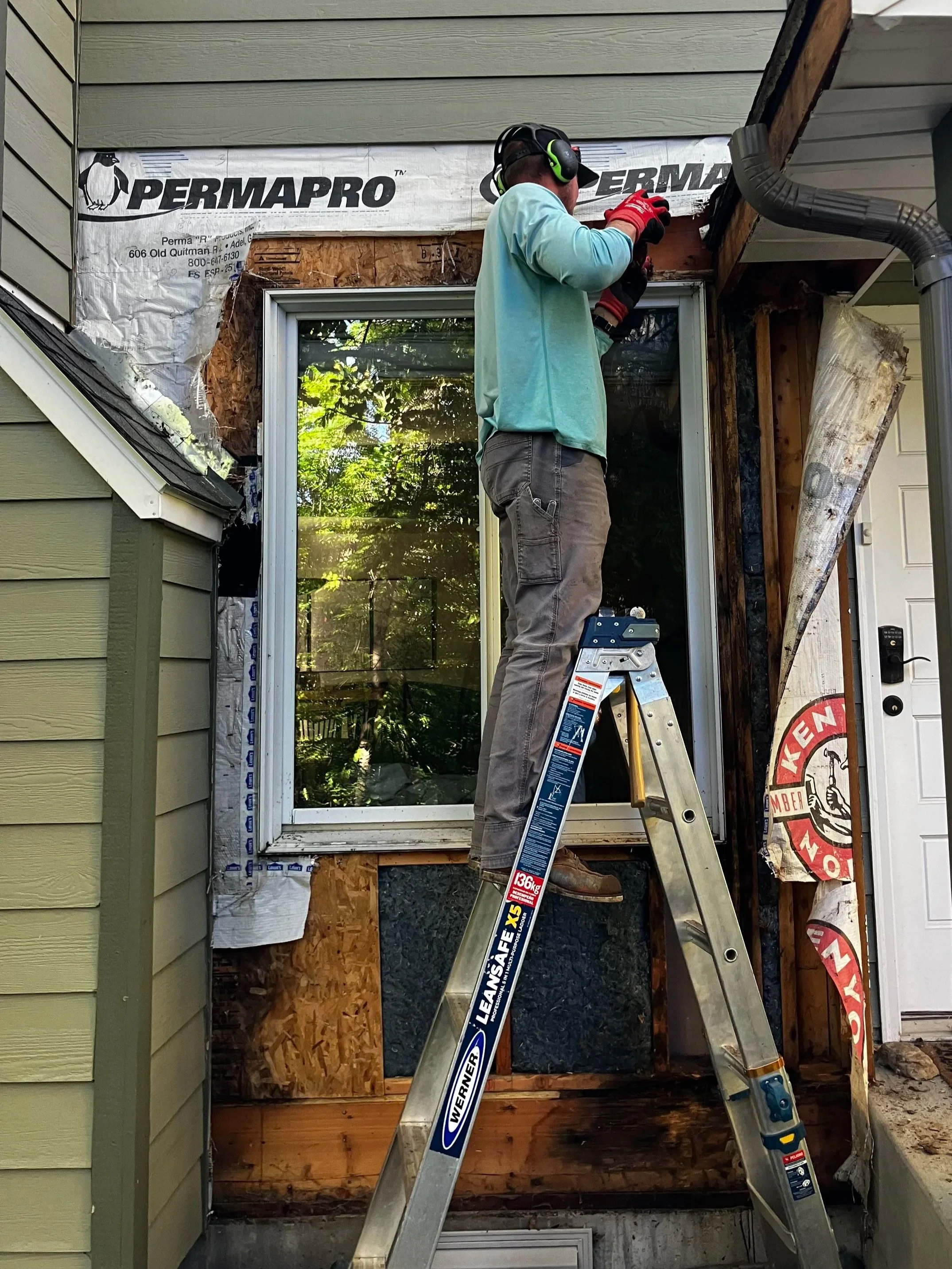
Fixing water damage
In this picture, the window was just collateral damage to a totally different failure: the roofer failed to install a special piece of flashing called a “kick-out” and again, water found its way to behind the siding, causing all kinds of damage, including to the window.
Common places to see leaks are: window sills (on the inside), exterior trim (appears to be rotting or disintegrating), mold where there should never be water, water stains, and exterior siding (becomes misshapen, telegraphing the leak from behind).
Mold
If you have leaks or water-damage, you likely have mold. Failing windows leads to water infiltration, and this can enable existing mold-spores to wake up and take off.
Drafts
If your windows are degraded, aging, installed poorly, or otherwise failing to seal effectively when they close, you will be leaking air, both into and out of the home. Sometimes this becomes so pervasive you can feel a little breeze or draft in your home.
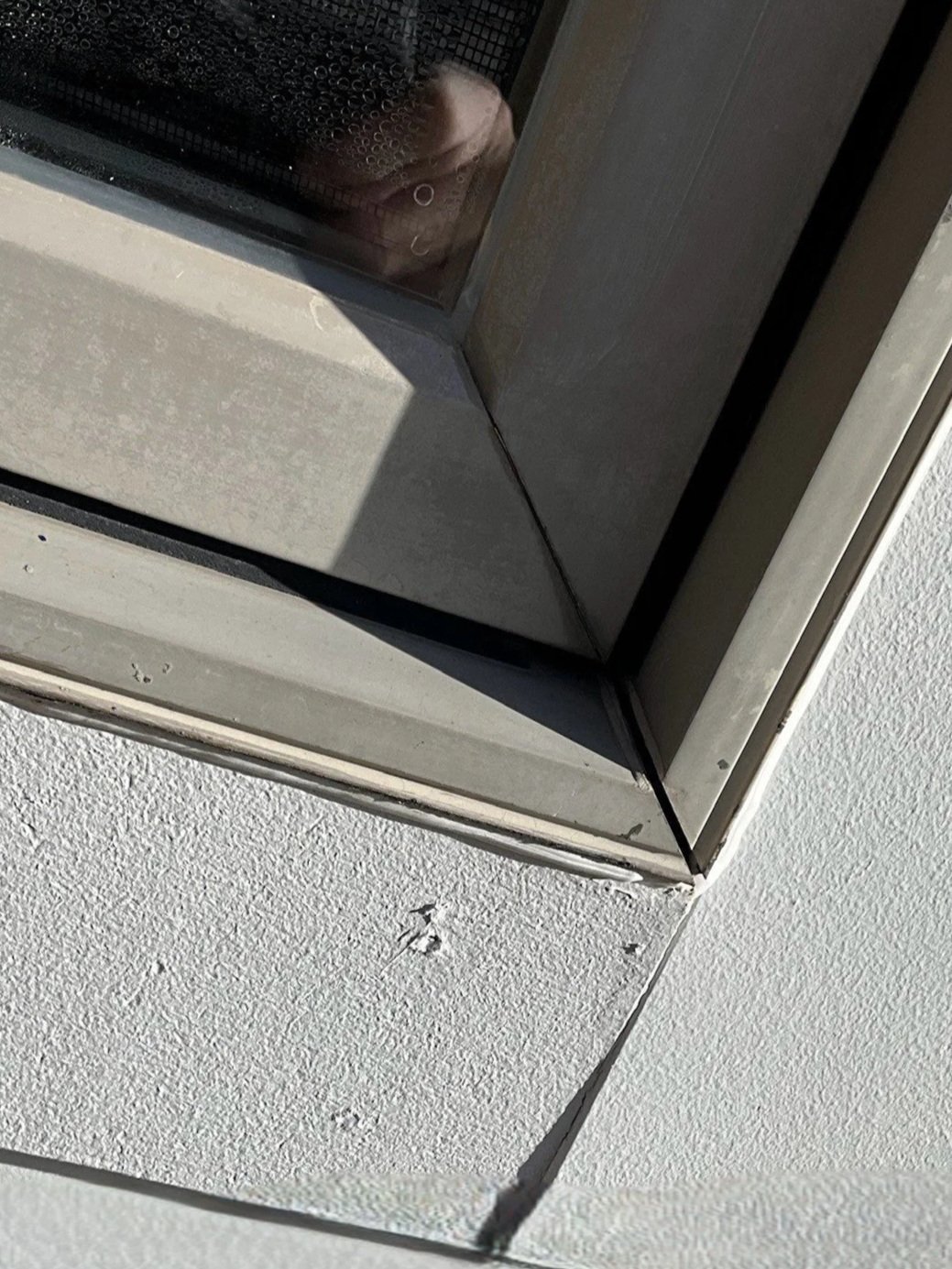
Cracking frame
This can happen because frames are cracking, seals or caulk is failing, locks/clasps are loose and failing, or the installer failed to insulate around the window.
Fogging or clouding
You know the look. As if hard-water snuck into the glass and evaporated, leaving white scaling deposits.
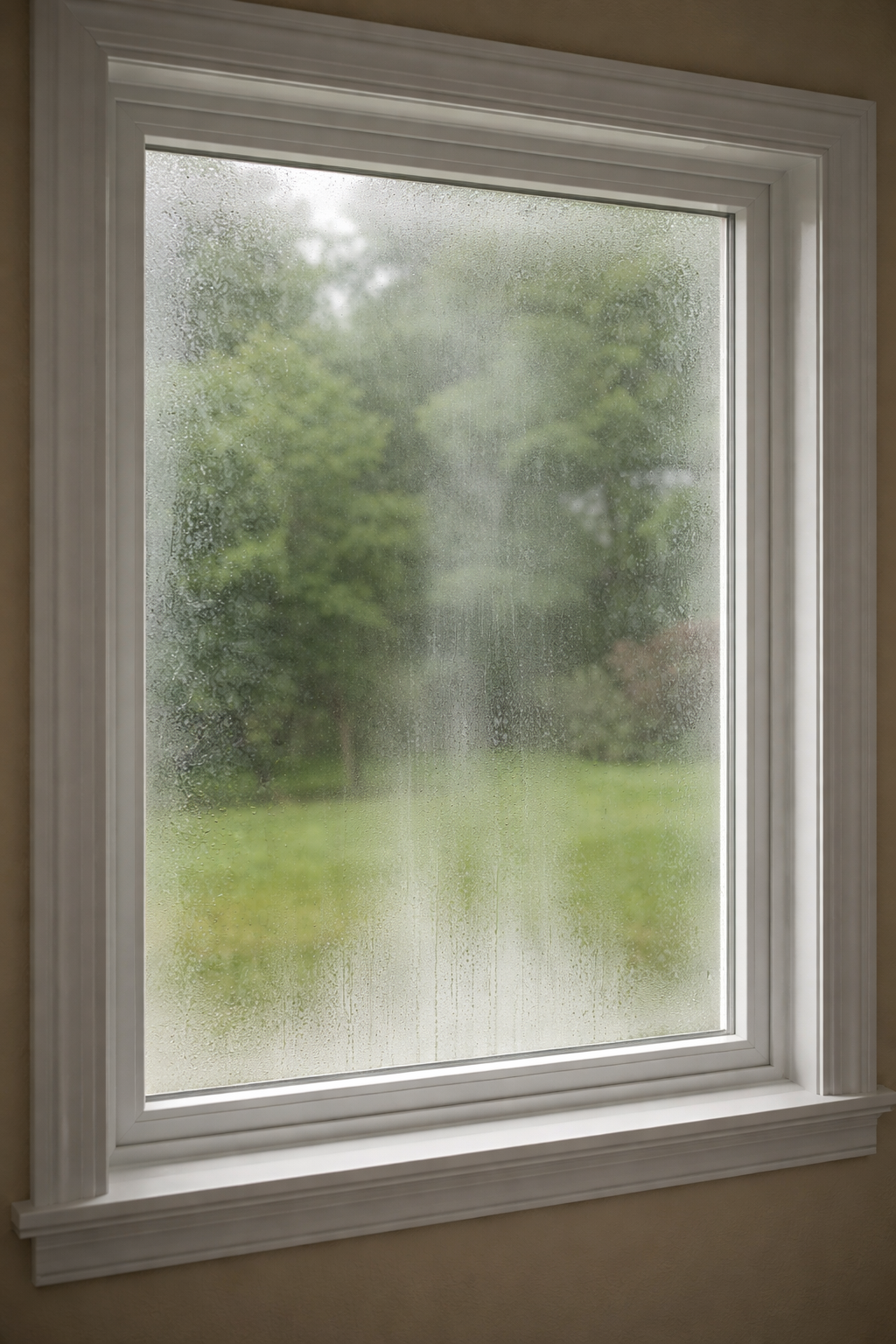
Clouded or fogging window
This is usually caused by failed seals. A dual-pane window is supposed to have air or gas (like argon) trapped between the two panes, but eventually the seals fail and the gas escapes, allowing moisture-bearing air to infiltrate and eventually cause condensation. The salt in the wound is: you can never clean it because it is between the two panes.
Energy
Up to 30% of your home’s energy may be scaping through your windows. If you have really old or failing windows, this can be even higher. Besides the possible monthly savings from replacing the windows, there is also the intrinsic value of tightening up your home’s energy enevelope (we’re not paying to heat the outside!).
Light and views
If you get a qualified company with structural and carpentry capabilities, you may be able to upsize a few windows, or change the shape, or even possibly add one. Besides this, modern window manufacturers often offer lines with minimal frames, allowing for more glass. Newer glass technology allows visible light through, even while blocking more heat than ever.
Letting the beauty of the outdoors adorn the inside of your home is a wonderful reason to have windows in the first place. Replacing your 20 year old, deteriorating windows with new, modern, efficient windows is one way to make sure you’re getting the most light and beauty possible into your home, without sacrificing energy and comfort.
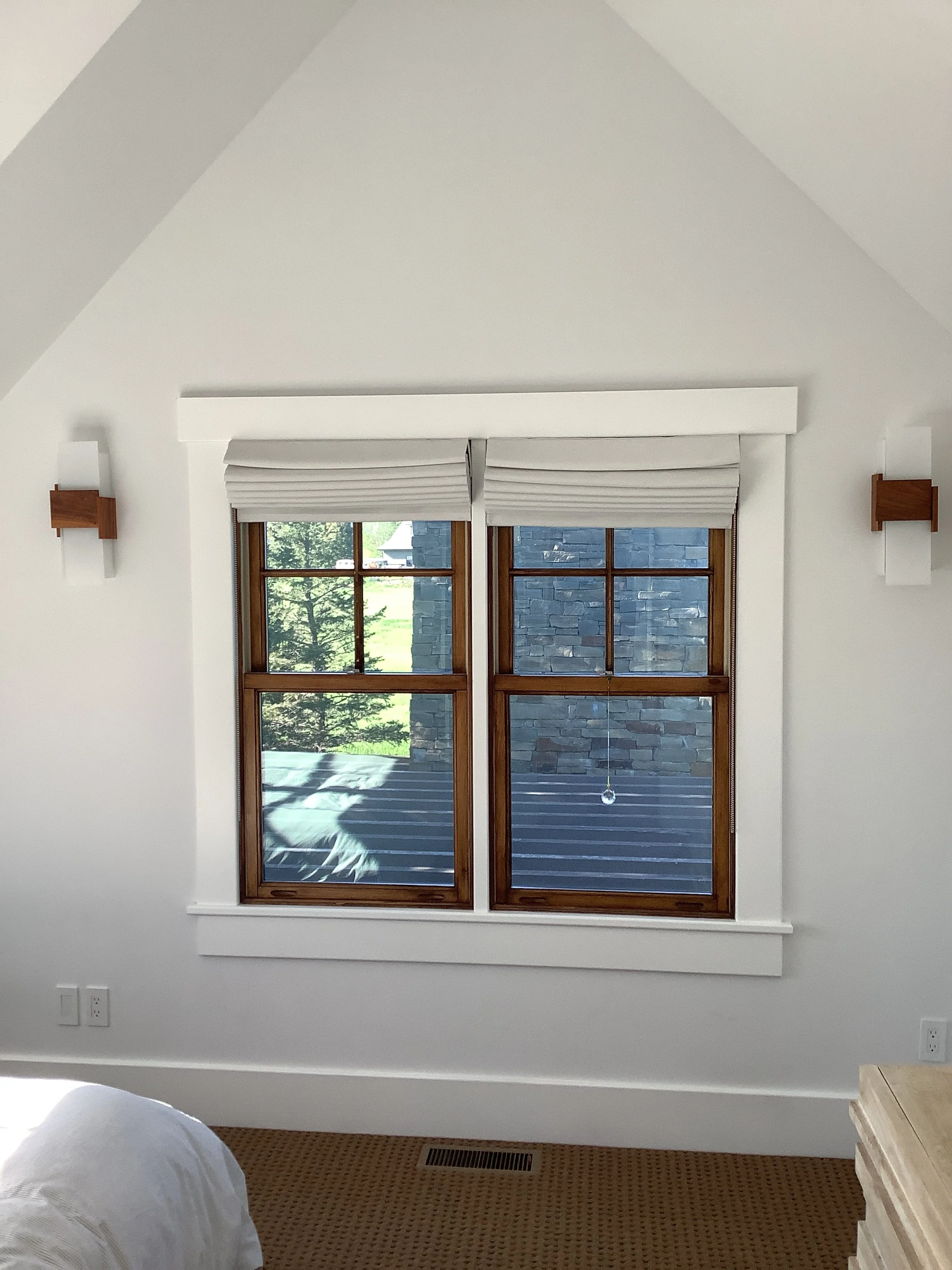
Wood single-hung windows
Replacing your windows is your chance to reconsider frames, grids, and glass. It’s also your opportunity to update, beautify, and repair your trims, blinds, and drapes.
Heat and cold
The comfort side of the energy conversation. New windows are very effective at insulating. They help reduce hot-spots and overly-warm rooms in the summer. They help eleminate freezing cold pockets in the winter. If you go with triple-panes or high-tech insulation, you can even eliminate that condensation that seems to happen no matter what when we hit those 40-below weeks every winter here in Bozeman.
Value
If you think you may be selling your home in the future, and you know the windows are a problem, replacing them now can make a lot of sense. If a buyer sees old degrading windows, they would be more than reasonable to include this factor in their counter-offer. On the other hand, new windows become a strong suit on your side of the deal, as well as adding curb appeal, comfort, and the look of an up-to-date, well-cared for home.
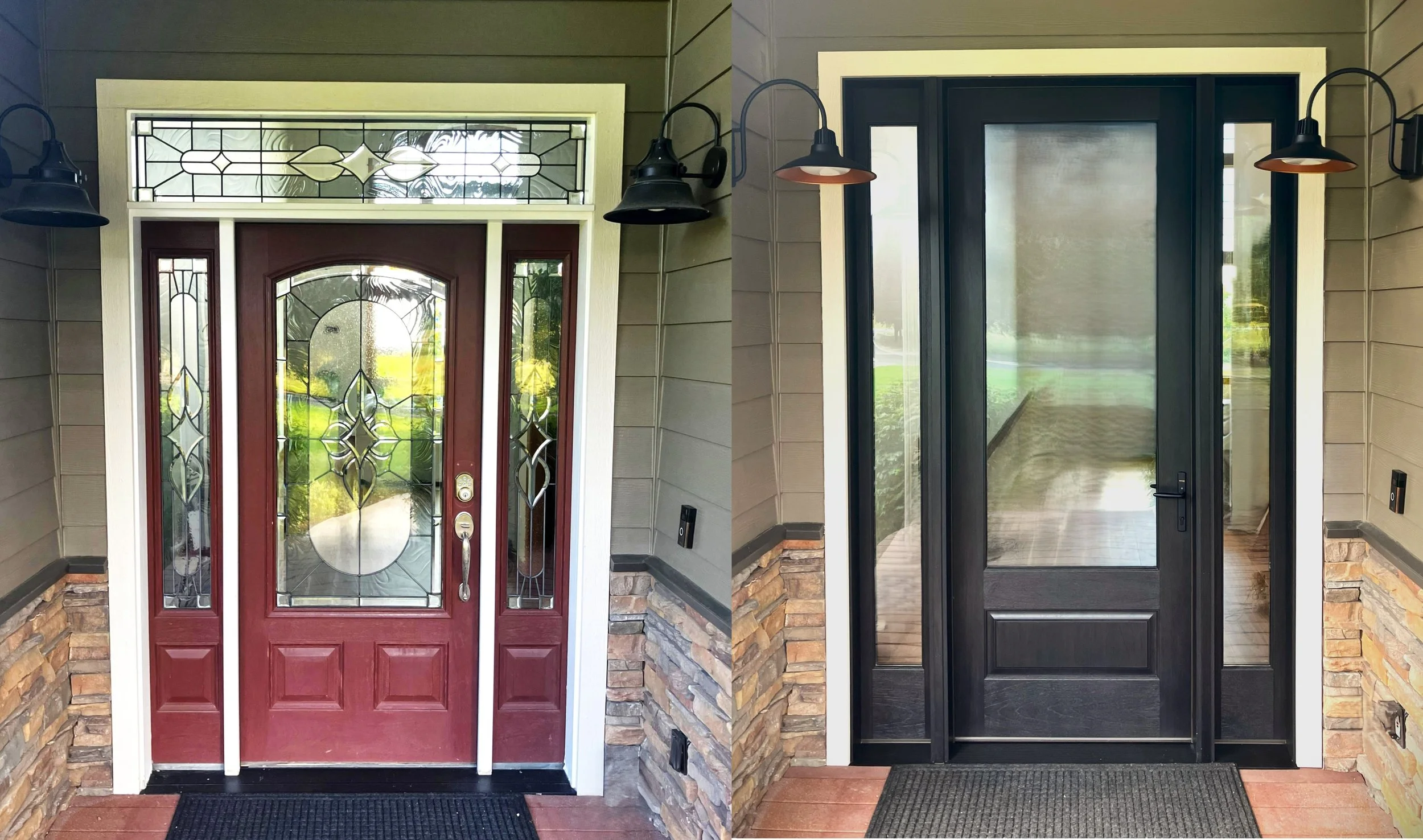
If you’re dealing with any of these issues, want to discuss your windows, or want an expert consultation or quote, reach out to us. We do windows, not high-pressure sales.