
Who can I hire to replace my windows?
You’ve got a nice house. A good house. But nothing crazy, right? You bought it for under $650,000 6 years ago - the bank says it’s worth $1,000,000 now, but that doesn’t mean anything; you only pay $2,500 a month for your mortgage. It’s a nice side of town, a good looking home, but again - you’re not rich. You’re a normal Bozeman homeowner. What’s more, you’ve got mouths to feed. You both work hard, pay your bills, have a retirement plan, but there’s not exactly thousands and thousands of extra dollars lying around each month. Eggs are like $6 a dozen. Gas is getting expensive!
So why do contractors always seem to give you the “rich person” pricing?
Your windows are leaking - you can tell by the damage to the trim on the outside, as well as when it rains hard - a little water creeps in and puddles on the window sill in that second bedroom. The bathroom window is fogged; is that from bathroom moisture or have the seals failed? You know it’s time to begin looking into window replacement. So you solicit a few quotes. The results are in:
-You have 22 windows. Average size: 20 square feet of glass per window. They are builder-grade vinyl. They are again, cracking, failing. It’s definitely time to get them replaced (according to the replacement companies . . .)
-The big outfit wants to put their proprietary window in. If you sign today, they’ll do it for $44,000. If you wait, the deal goes to its “normal” price of $66,000. They claim they can get the windows in within 4 weeks, and the job will take only 3 days. They have an attractive financing plan to boot. The sales guy looks like he’s never held a hammer but he’s super friendly and turned that quote around quick!
-The local contractor/handyman wants to do it for an hourly rate of $85/hour. He says he can get some good vinyl replacements for an average of $650/unit. So $14,300 for the windows. He estimates another $2,200 for trim and paint, and says he can handle everything. His cousin helps him with the heavy lifting. He estimates it will cost $28,000 all-in, and take about 2 weeks. But it’s not a fixed-price contract. Maybe it will cost less (or maybe more? And isn’t he more of a carpenter?)
-Two local window companies both came in at about $50,000 or $2,200 per unit. They seem like the true intersection of local honesty and professional competence. But at $50,000 you’re going to have to tap into that HELOC. $6,000 is nothing to sneeze at, so it might be worth going with the big outfit and saving that 6 grand. Then again, what’s the worst that can happen with the handyman guy? You might save $20,000 or more - how much headache is $20,000 worth?
How do you parse this out? By what standard will you decide who to go with? And most of all: Why does it cost so much?
Let’s look at the factors driving cost in each scenario, and perhaps this will offer some clarity to the decision-making process.
The national outfit.
Their proprietary windows are fine but cheap. They are paying $8,000 total for the units.
Their labor is cheap. They subcontract to semi-local (probably out of Billings or elsewhere in the mountain west) storm-chaser types. The kind of rough men who know how to work, but not particularly hard or clean. They pay them about $150-$200/window in-and-out. Speed is strongly incentivized. Total labor cost is $5,000.
At the end of the day, they are a marketing and sales machine. They might even have their own financing firm too. They have a lot of overhead (mostly marketing spend), and a high sales commission (15% of the total job). Their overhead is going to eat about $5,000 for this job, and the sales team is going to take $6,000 to $10,000.
They also have to cover the inevitable warranty time they will spend fielding your calls with complaints about unfinished scope, malfunctioning hardware, and the mess the guys left behind in the rock beds. Budget $1,000.
Finally, the sales guy failed to note the required safety glass at the stairwell and at the front door, their proprietary window only comes in black or white, the opening you want to change will be a “change order” for an unknown price, and they don’t do interior trim - you’ll have to find a local guy to do that afterward, or they can just caulk the new windows to the trim.
All-in, they charge you $50,000, the outside looks remarkably mediocre, you’re not sure but you think you saw them hacking the flanges off the new windows, there is a large gap between the windows and the interior trim, the guys inside scratched your hardwood floor, and they all smelled of weed and taught your 4 year-old some new words . . . Once they finish, you have to call someone in Salt Lake City to discuss any issues or complaints, and the warranty guy is 5-6 weeks out before he can come take a look.
The local contractor/handyman.
He will install whatever windows you want. He’s not sure the difference between vinyl and fiberglass, and you’re not sure he knows whether a new-construction flange or a pocket-replacement is the way to go.
He usually talks to a guy at the lumber yard, and recommends you go in there and ask him for advice on what windows you should do.
He charges $85/hour, and $80/hour for his helper. He thinks they can get it done in two weeks. His proposal isn’t exactly clear on the scope, and it looks like Chat GPT wrote his contract.
You notice a few items missing from his scope letter. Will he handle haul-away, and if so, will he charge for that? How much? He has a line called “interior trim” but it doesn’t mention species, color, or details. Currently your trim is poplar - can he find poplar, and will it cost extra for him to drive around looking for it, or trying to get it stained just-so? Maybe he wants to stain it in your garage. That’s fine.
After getting the tempered glass, the grilles, and the obscured glass right, as well as adjusting the function on those three living room units, the actual window price comes to $16,500. Trim and finish work comes out to $4,500. The exterior trim and paint work is another $1,800. Finally, when all the labor is finished, it actually took them 3 weeks, and he had to get a third helper for several days (some of those windows are high!). The total labor bill was $17,060. He forgot about the dumpster, the outhouse, and there was some discovered damage that took a lot longer than he anticipated. These all added up to almost $5,000.
The final bill from Joe-Contractor is $44,860. You’re not sure if you over-paid (did he clock out for his lunch breaks or not?), and he’s not sure he’s making enough money to stay in business.
The local window company
They helped you choose the right windows to meet your budget, quality level, and the aesthetic of your home.
They helped you understand the price levers you had to choose features and budget based on your priorities.
Their contract for a fixed-price is solid, with a clear scope and delineated choices. You know what you’re getting, and what it will cost, ahead of the project.
The company and everyone working with them is genuinely local - it’s easy to believe they will be here for full warranty-support after the project.
Your contract price was $52,500. They charged you $52,500. The jobsite was clean and respectful throughout the project, the workers seemed thoroughly competent, they cleaned up very well, and you’ve got brand new, high-quality windows!
Will replacing my windows save me money?
Will I really get a “return on investment” by replacing my windows, just from savings on my power bill?
No.
Replacing your windows will cost you tens of thousands of dollars. Up until the end of 2025 there was a tax credit available - up to 30% or $600 annually. But now even that is gone.
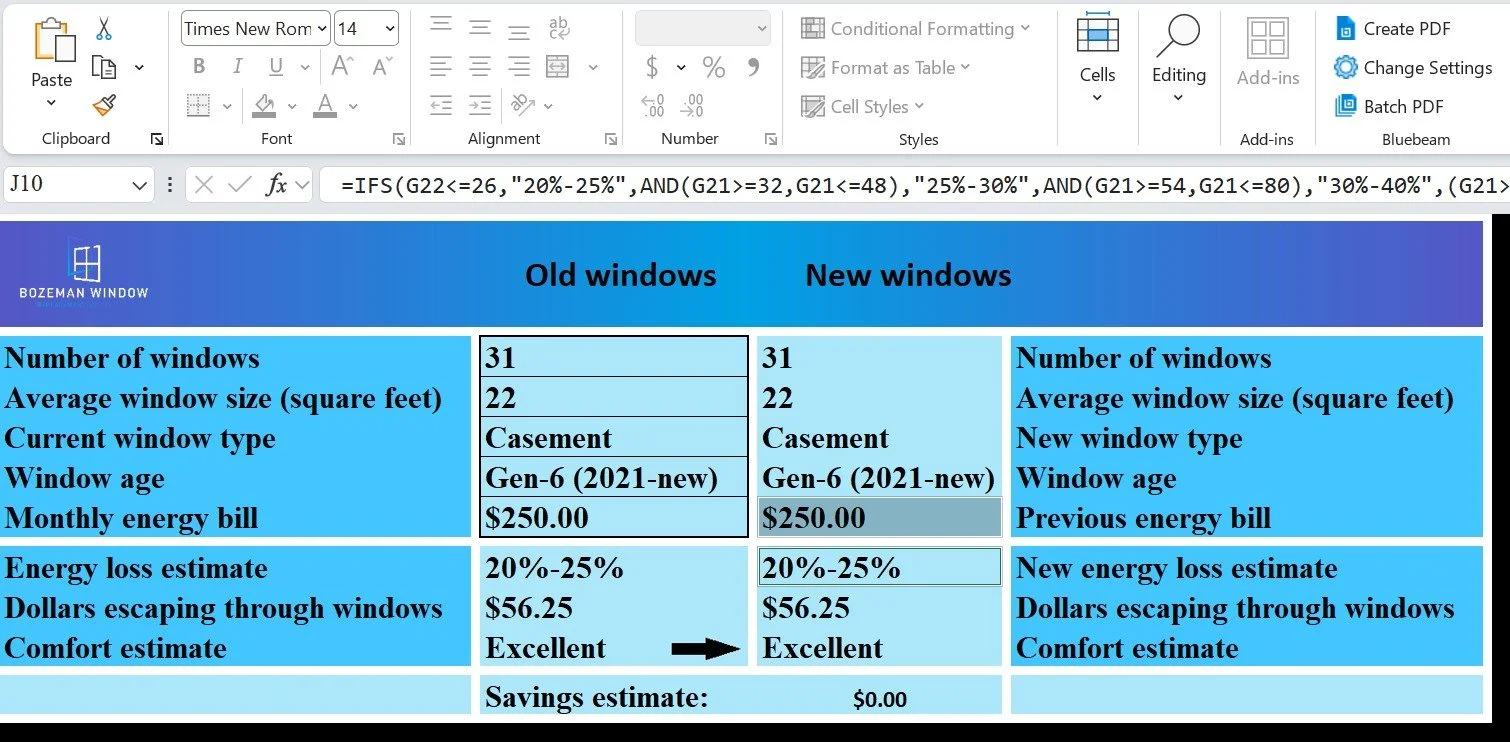
In off-the-hip numbers, let’s pretend you spend $40,000 to replace all of the windows in your home. Your power bill goes from $250/month to $200/month (this is realistic). At $50/month in savings, it will take over 60 years to recoup the up-front cost.
So here’s the point I’m trying to make: your power bill alone is not a good reason to replace your windows.
Why is this important? Because there are large companies with large marketing budgets and large door-to-door sales teams who get into your house and push for a hard close, on the spot. And one of their tactics is to talk about monthly savings. This is predatory and ridiculous, and if you’re looking into window replacement, you need to equip yourself with facts and actual numbers.
So why should you replace your windows? There are lots of legitimate reasons, and we discuss some of those here. But your power bill should not be one of them.
Saving money on your monthly power bill would be nice though, wouldn’t it? The point is not to ignore the savings benefit, but rather to calibrate it appropriately. You will never see an “ROI” for replacing your windows, at least in terms of monthly cash savings, but the monthly savings is real, and who wouldn’t like to see their power bill go down $50?
If you are considering replacing your windows, be ready to consider actual costs, actual financing costs (interest), and realistic savings over time. Look for a company that will tell you the truth, even if it means they lose the sale. Ultimately, if you can’t trust the company to be candid about the finances, how can you trust them to be candid about the quality? If you’re in the Bozeman area, don’t hesitate to reach out to Bozeman Window - we would love to discuss your project with you.
Should I replace my windows?
We look at a variety of considerations so you can make an educated decision.
Of course! Call us.
Just kidding, mostly.
In this article, we will look at some of the top factors you should consider to make an informed decision.
Here’s the short-list:
Let’s go through each one of these in some detail.
Age
Window technology is always changing. Windows can be grouped roughly into “generations” where there are major technological or regulatory upgrades to standards and requirements. They go something like this:
100 year old window
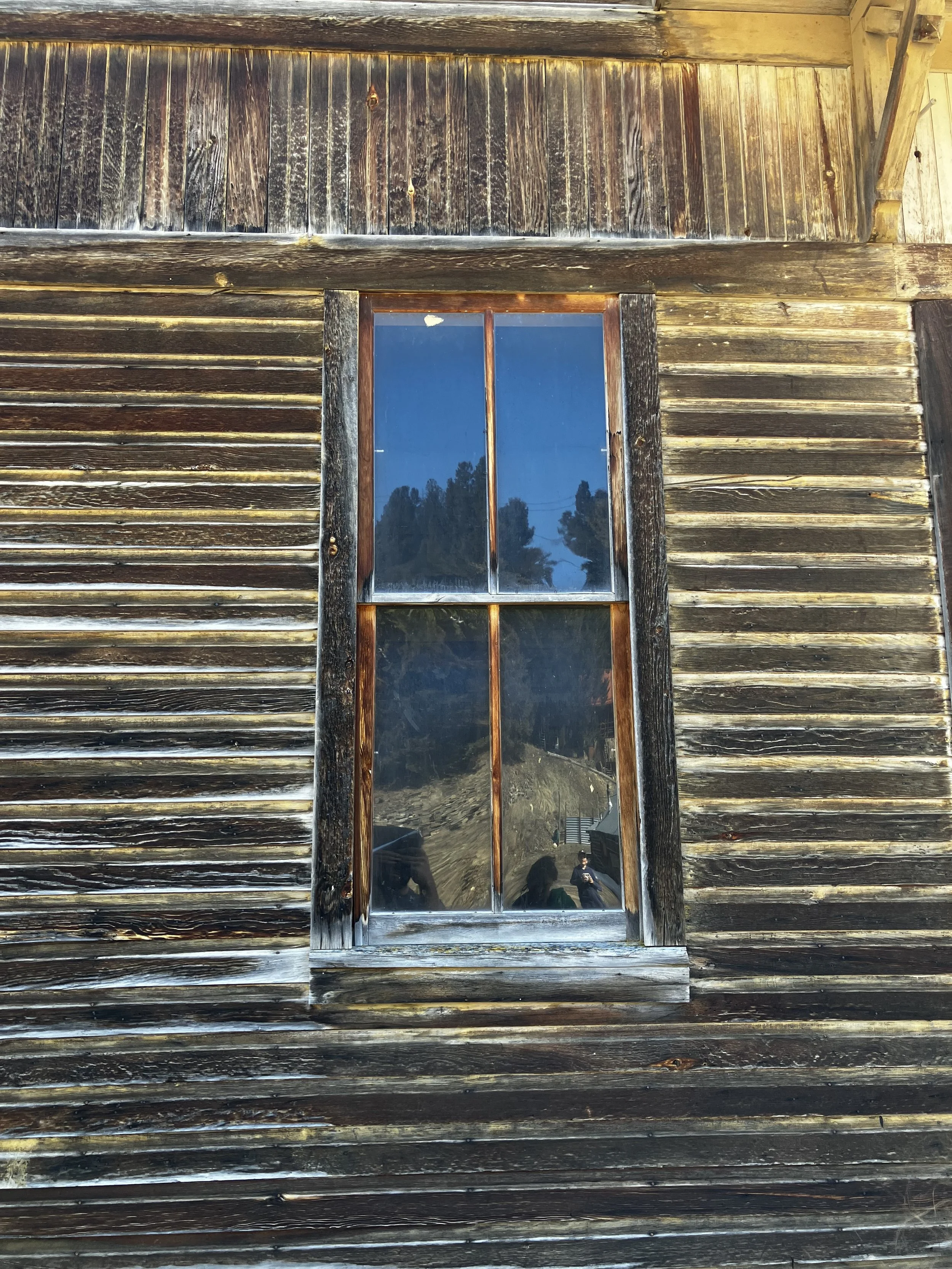
Pre-1978 - Likely involves lead and lead remediation just to swap them out. Single-pane. Wood frames. Poor insulation, no sealing, no e-coatings (UV protection and insulating properties in the glass).
1978-1988 - Dual-panes are coming in. Air-filled. Weak seals (likely failed by now, resulting in fogging). No E-coatings. Some aluminum frames. No thermal blocking.
1988-2000 - Energy codes are becoming standard. Gas-filled. E-coatings. Synthetic frames. Thermal breaks in aluminum frames. Better seals.
2000-2010 - IECC is virtually ubiquitous. Gas-filled is standard. E-coatings are standard. Dual panes are standard. Vinyl is dominant. Sealing is better. If you are looking into window replacement, there’s a good chance your home is built in this time-frame, and has original windows.
2010-2020 - Argon-filled, dual-pane, e-coatings are all getting significantly better. .u-factors are lower than ever. Thermal breaks, foam-filled frames, edge-spacers are all ubiquitous. Very energy-conscious regulatory environment and culture is driving technology. Sealing is excellent. Triple-pane is becoming a mainstream option.
2020-present - You have brand new windows, why are you here?! Building science is in full energy-conscious mode. Installation standards are being properly polices. .u-factors are getting impressive, as low as .15-.25. There is a lot of esoteric building-envelope science, whole-wall considerations, and nitty-gritty window tech all starting to work together.
That’s a rough sketch of how windows have evolved over time. If your windows are 20 years old or so, it’s reasonable to consider replacing them because 1. they are built with old technology and old standards and old materials, and 2. they are or will soon be failing to perform even to the standards they were designed for.
Damage
Your windows are subject to more stress than one might expect. The rain, snow, wind, and hail all take a toll. More than those, the sun degrades them. Your house settles and cracks the caulking (or worse). The seals fail with enough time, or due to faulty manufacturing. They don’t insulate well enough and condensation causes water damage on the inside now as well as the outside.
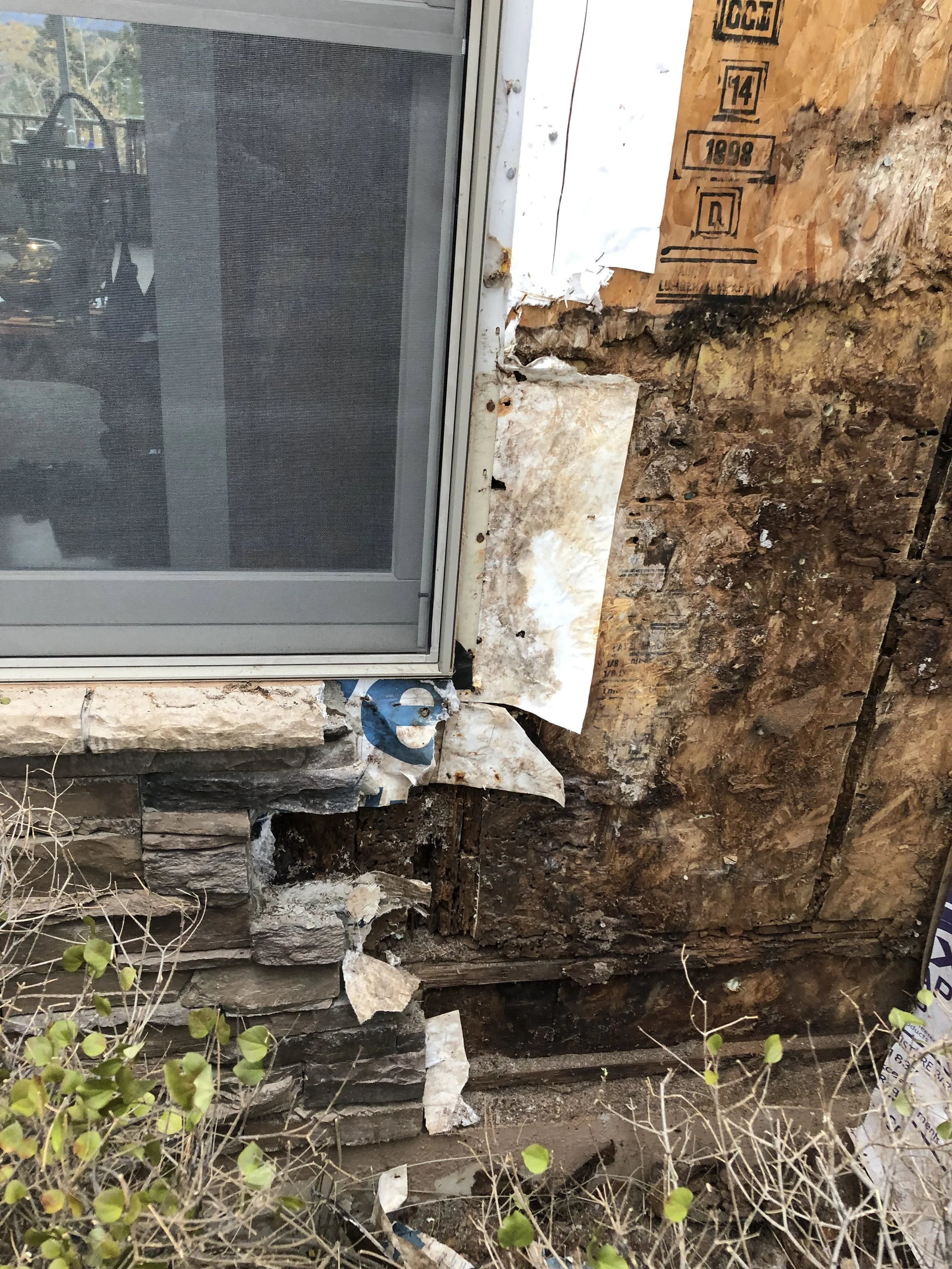
Rot and mold
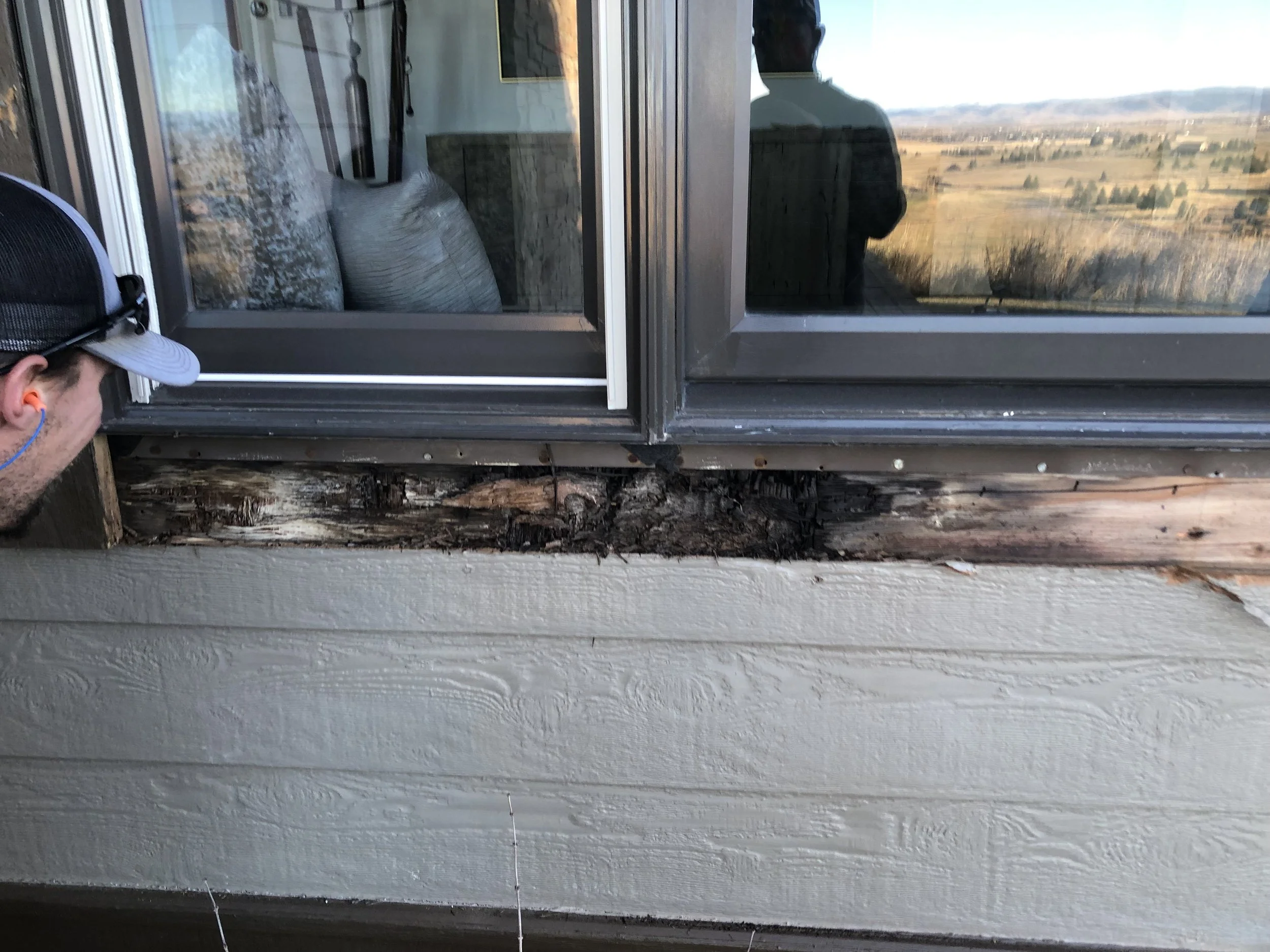
And, perhaps worst of all, the frames begin to crack from all of this abuse and more. Sometimes the installer failed to install proper flashing, or the trims failed, and water begins to infiltrate behind the siding, causing structural damage over time. The window in this picture is not ancient - this is a normal amount of damage when water gets behind the siding every storm, year in and year out.
Leaks
The rub on leaks is: if you notice it, it’s probably worse than you think. Many leaks go unnoticed for years.
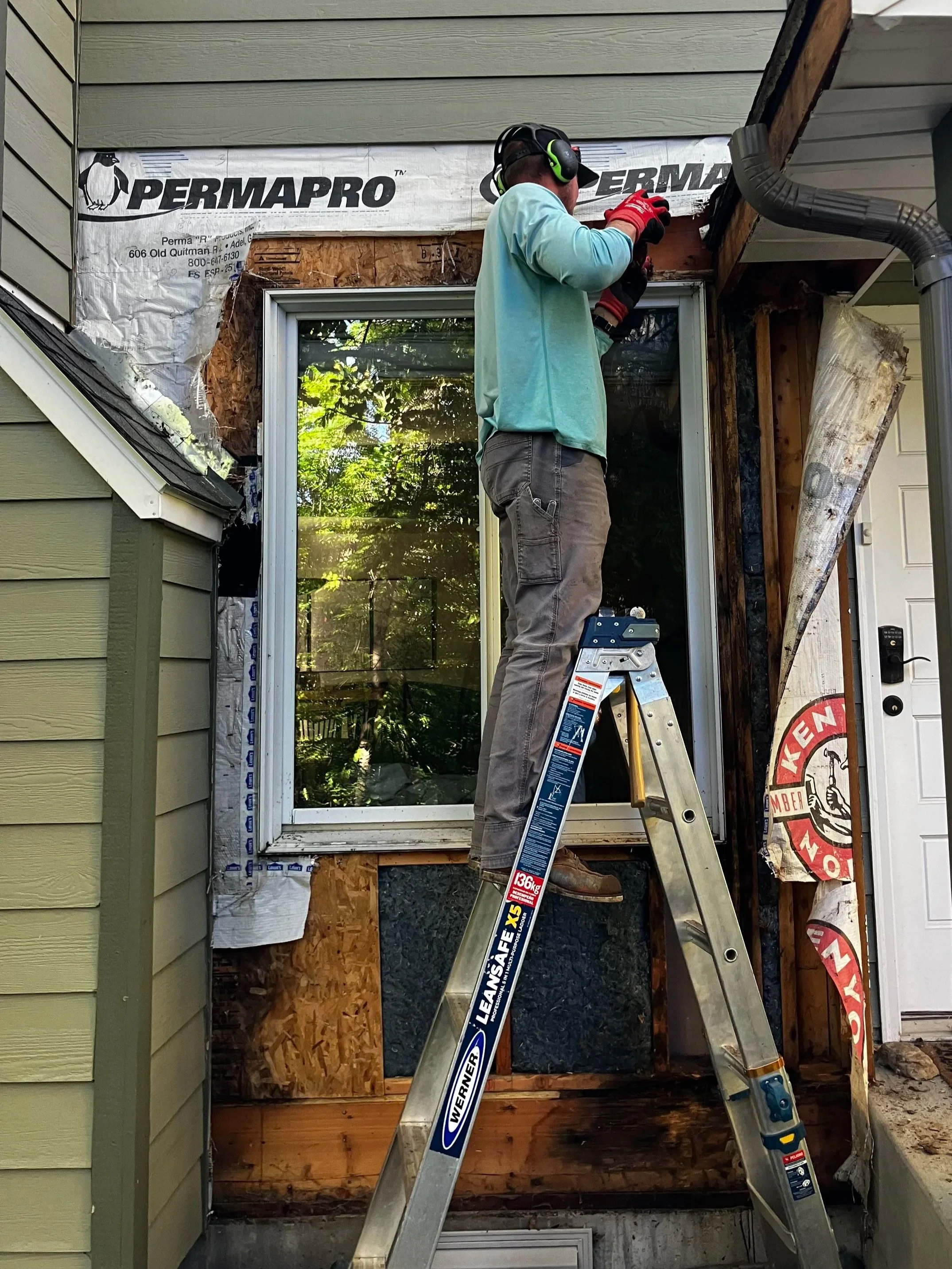
Fixing water damage
In this picture, the window was just collateral damage to a totally different failure: the roofer failed to install a special piece of flashing called a “kick-out” and again, water found its way to behind the siding, causing all kinds of damage, including to the window.
Common places to see leaks are: window sills (on the inside), exterior trim (appears to be rotting or disintegrating), mold where there should never be water, water stains, and exterior siding (becomes misshapen, telegraphing the leak from behind).
Mold
If you have leaks or water-damage, you likely have mold. Failing windows leads to water infiltration, and this can enable existing mold-spores to wake up and take off.
Drafts
If your windows are degraded, aging, installed poorly, or otherwise failing to seal effectively when they close, you will be leaking air, both into and out of the home. Sometimes this becomes so pervasive you can feel a little breeze or draft in your home.
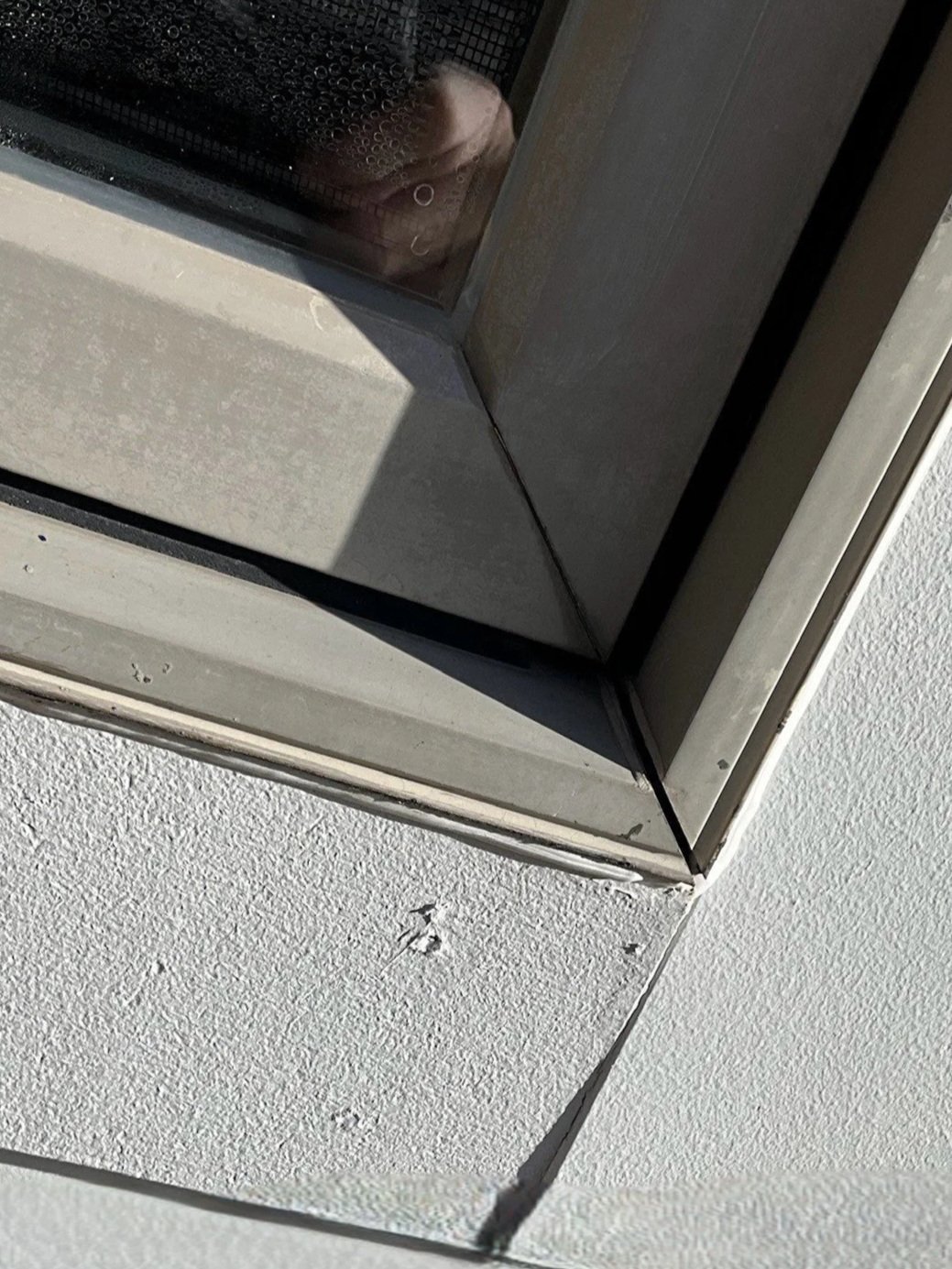
Cracking frame
This can happen because frames are cracking, seals or caulk is failing, locks/clasps are loose and failing, or the installer failed to insulate around the window.
Fogging or clouding
You know the look. As if hard-water snuck into the glass and evaporated, leaving white scaling deposits.
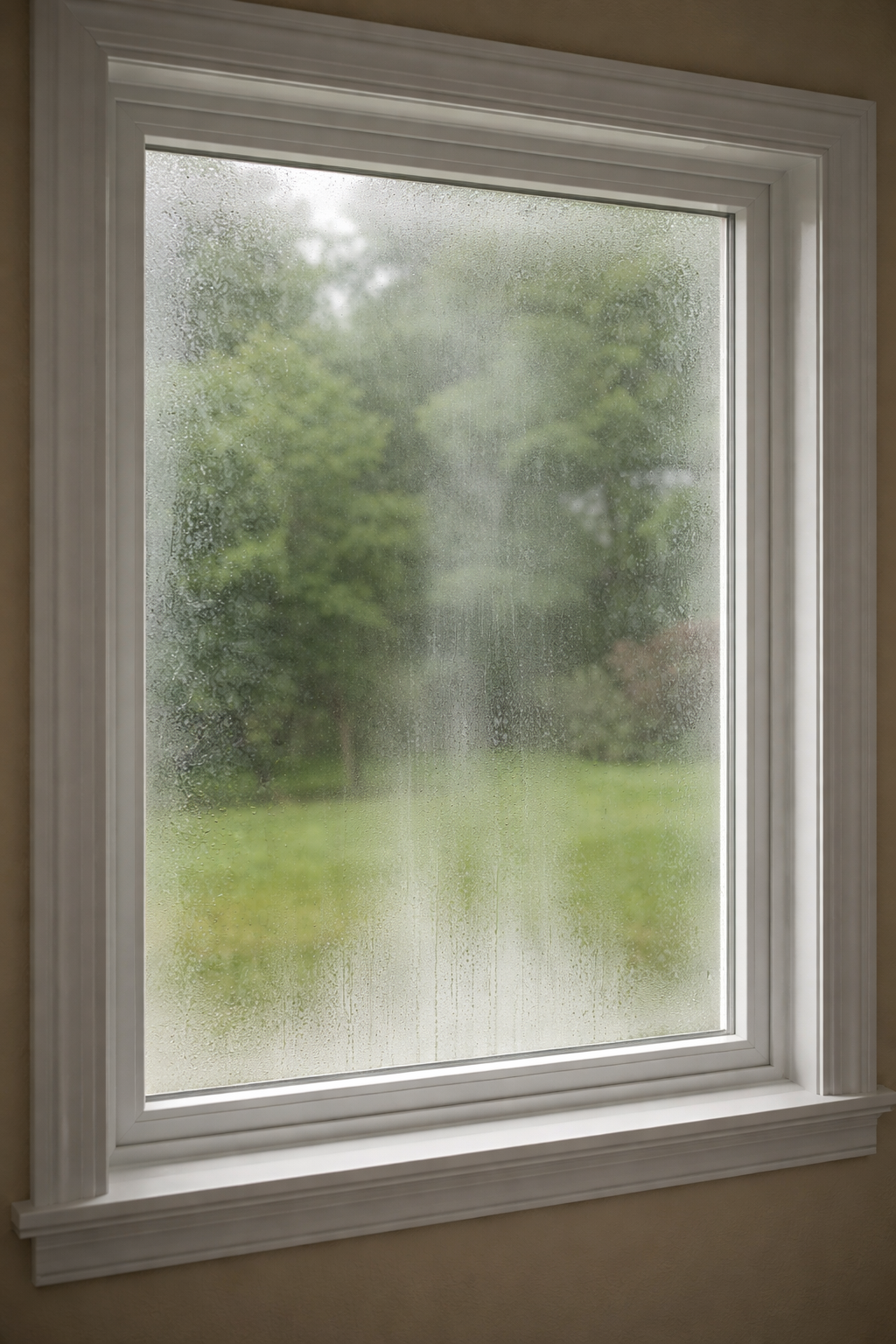
Clouded or fogging window
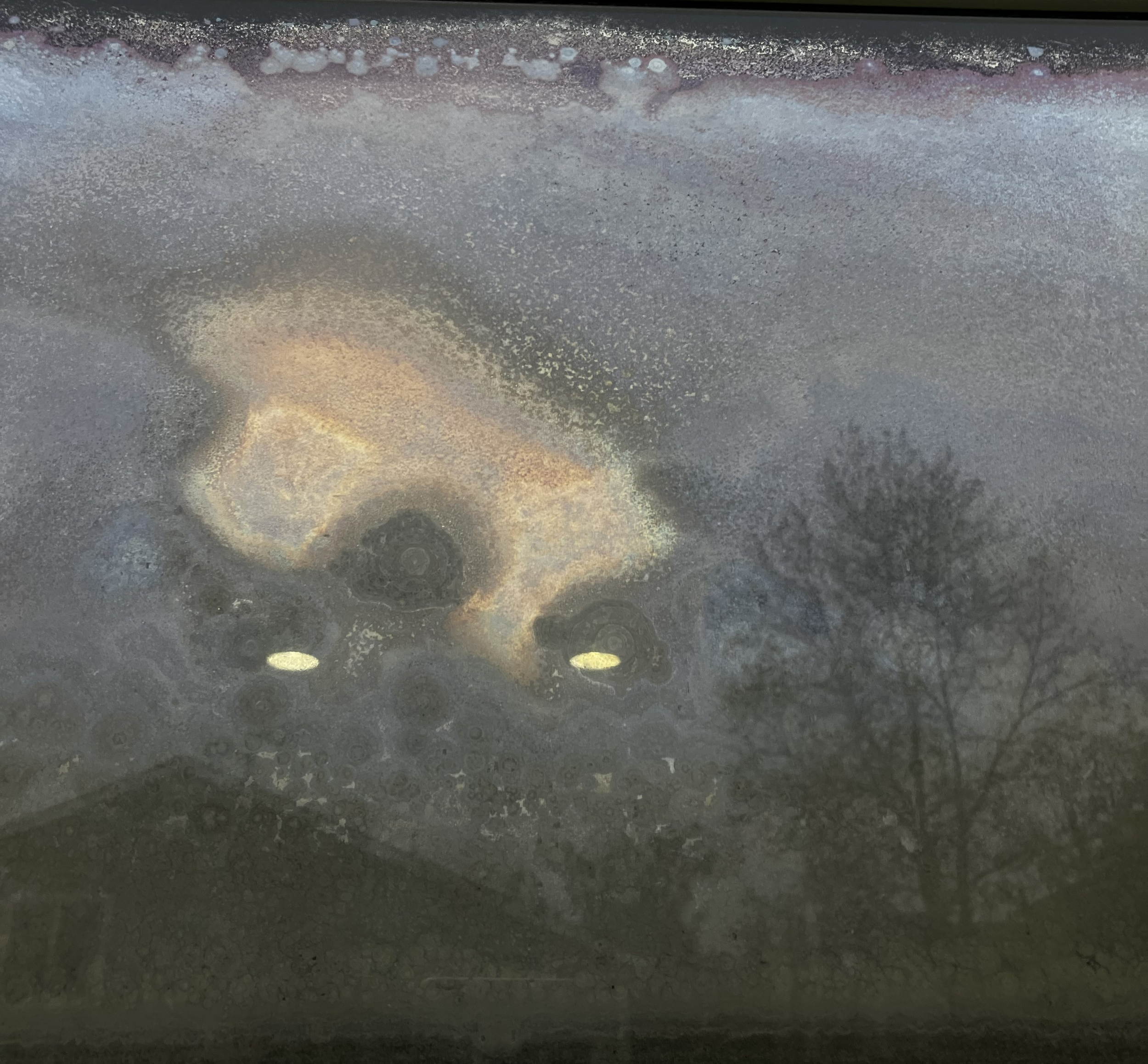
This is usually caused by failed seals. A dual-pane window is supposed to have air or gas (like argon) trapped between the two panes, but eventually the seals fail and the gas escapes, allowing moisture-bearing air to infiltrate and eventually cause condensation. The salt in the wound is: you can never clean it because it is between the two panes.
Energy
Up to 30% of your home’s energy may be scaping through your windows. If you have really old or failing windows, this can be even higher. Besides the possible monthly savings from replacing the windows, there is also the intrinsic value of tightening up your home’s energy enevelope (we’re not paying to heat the outside!).
Light and views
If you get a qualified company with structural and carpentry capabilities, you may be able to upsize a few windows, or change the shape, or even possibly add one. Besides this, modern window manufacturers often offer lines with minimal frames, allowing for more glass. Newer glass technology allows visible light through, even while blocking more heat than ever.
Letting the beauty of the outdoors adorn the inside of your home is a wonderful reason to have windows in the first place. Replacing your 20 year old, deteriorating windows with new, modern, efficient windows is one way to make sure you’re getting the most light and beauty possible into your home, without sacrificing energy and comfort.
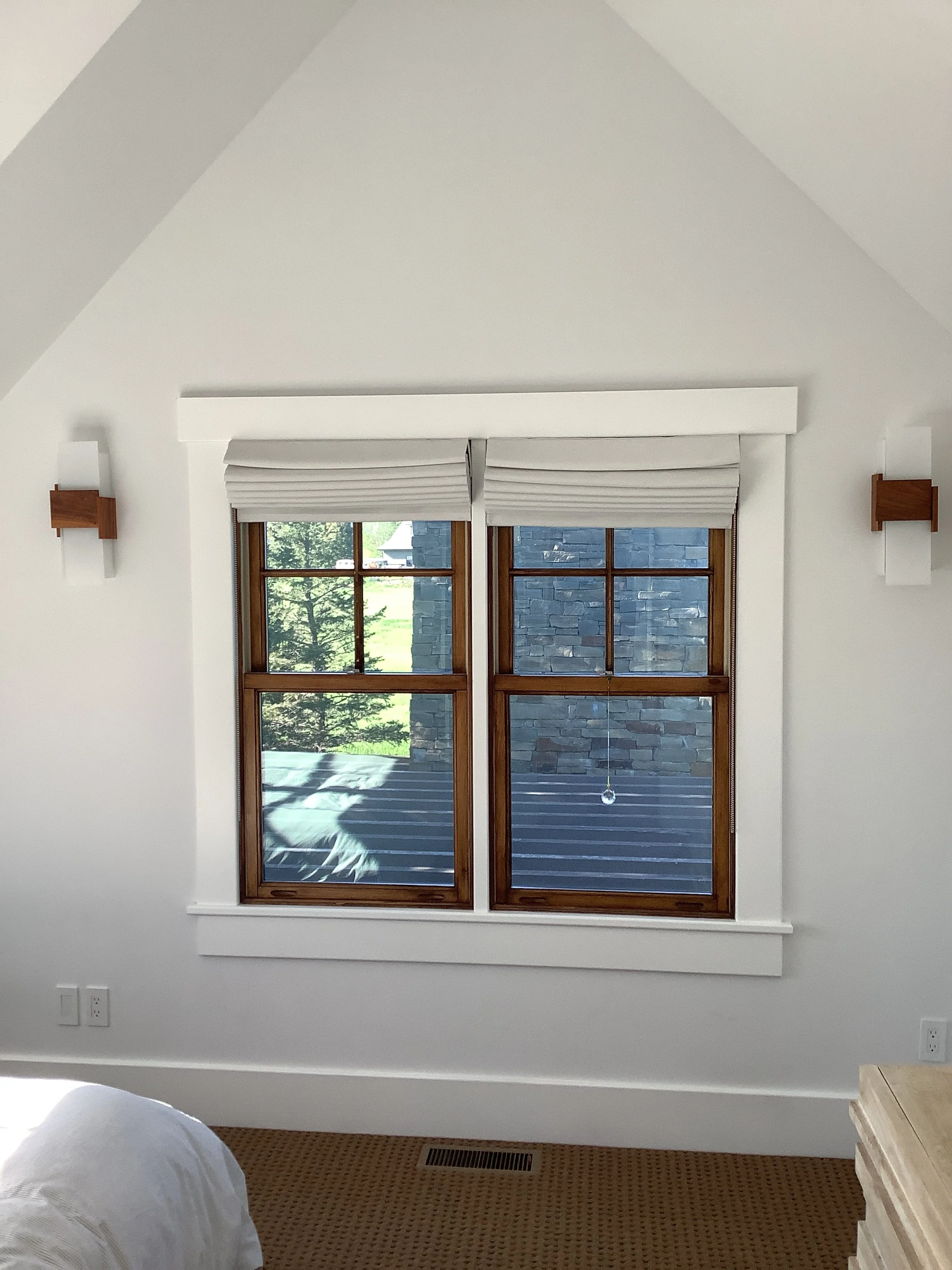
Wood single-hung windows
Replacing your windows is your chance to reconsider frames, grids, and glass. It’s also your opportunity to update, beautify, and repair your trims, blinds, and drapes.
Heat and cold
The comfort side of the energy conversation. New windows are very effective at insulating. They help reduce hot-spots and overly-warm rooms in the summer. They help eleminate freezing cold pockets in the winter. If you go with triple-panes or high-tech insulation, you can even eliminate that condensation that seems to happen no matter what when we hit those 40-below weeks every winter here in Bozeman.
Value
If you think you may be selling your home in the future, and you know the windows are a problem, replacing them now can make a lot of sense. If a buyer sees old degrading windows, they would be more than reasonable to include this factor in their counter-offer. On the other hand, new windows become a strong suit on your side of the deal, as well as adding curb appeal, comfort, and the look of an up-to-date, well-cared for home.
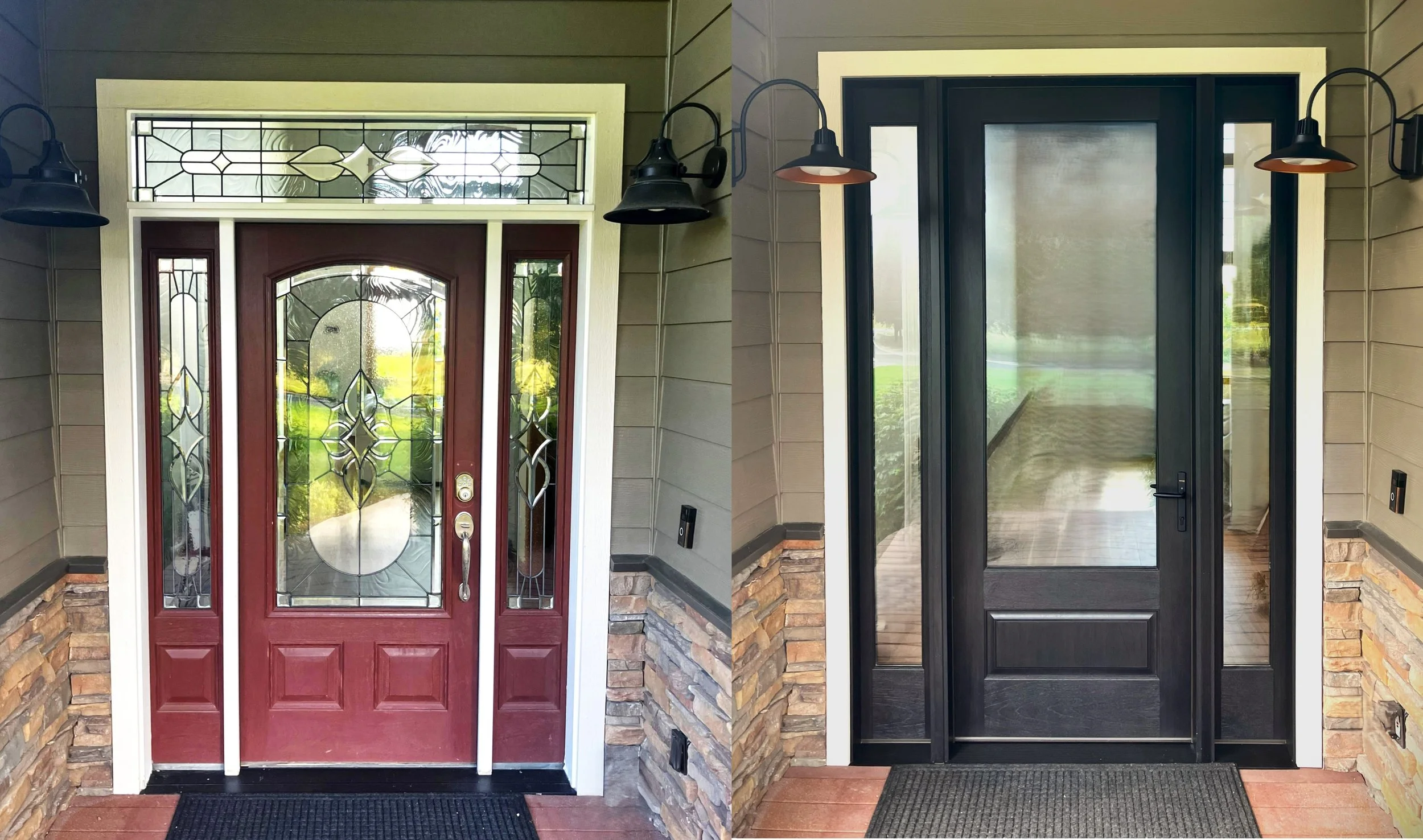
If you’re dealing with any of these issues, want to discuss your windows, or want an expert consultation or quote, reach out to us. We do windows, not high-pressure sales.
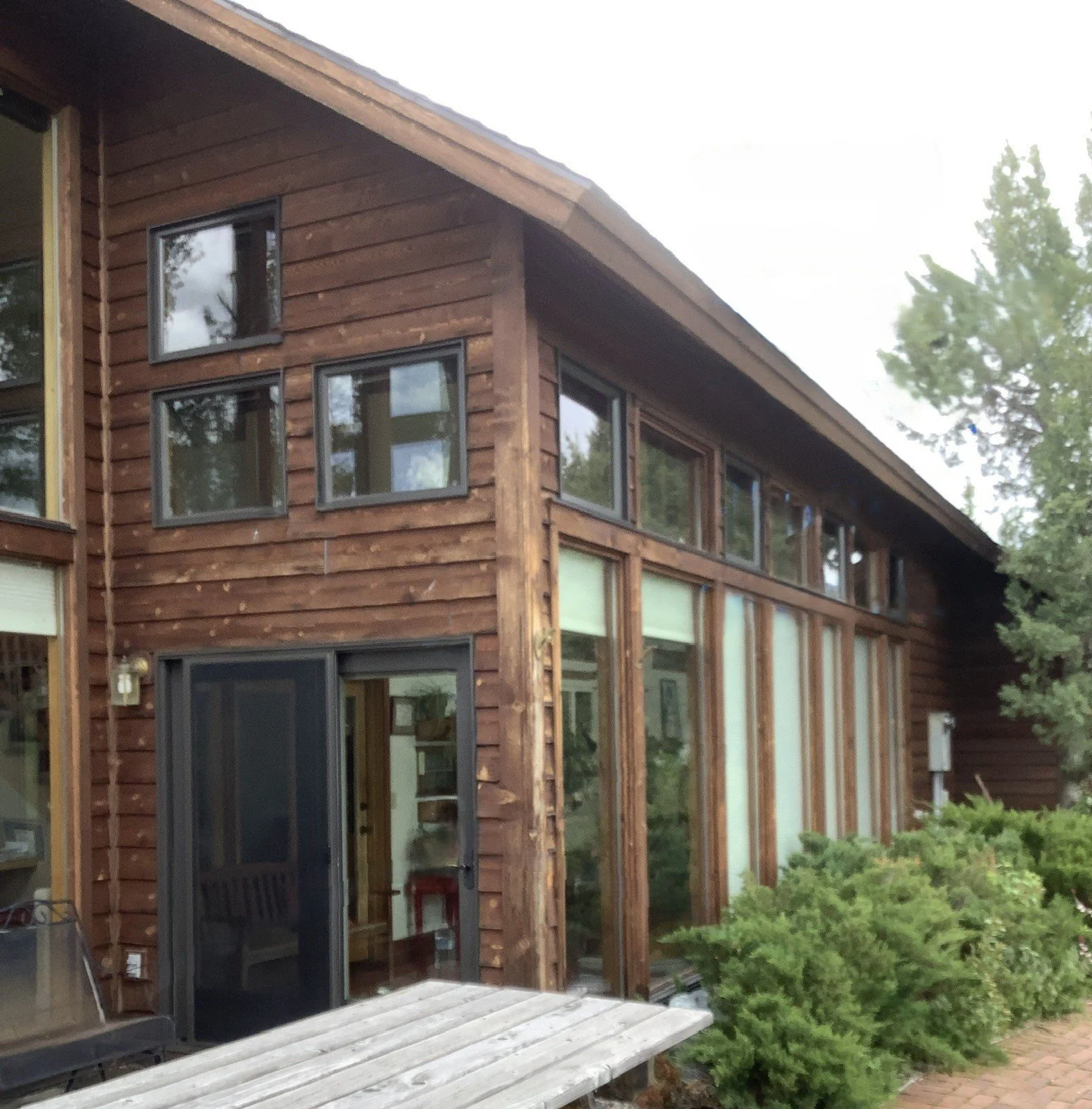
What do new windows cost?
It depends . . .
It depends.
New windows can cost anywhere from $150 or less to thousands of dollars each. The installation cost can vary just as much. But that’s not very helpful.
In this post we will:
Look at factors driving cost
Give you enough information to roughly estimate what your project might cost
Cost factors
Here’s the short-list:
Site accessibility, the number of units to replace, location, building height, type of siding, type of trim, type of roof, damage and mold, unit shape, unit size, unit color (yes, it’s dumb but it’s true), unit function, unit material, glass quality, .u-factor, number of panes (double or triple), unit brand, interior trim details, interior drywall details, and more.
This is why to determine the actual cost, you will need to solicit actual quotes. But you can get a rough idea with a little more information.
Rough estimating
For a normal Bozeman home of roughly 2500-3500 square feet, with windows typically under 28 square feet each, you can expect to pay between $2,000 and $3,000 per unit, installed. That’s still a huge range, but here are some of the factors you can control, to help you narrow it down.
Material.
Window frames are typically made of vinyl (or a similar composite), fiberglass (or similar), or wood - often “clad” on the exterior (with aluminum, for example). The cost will ascend as you choose finer material.
Color.
White is usually cheaper than brown, which is often cheaper than black.
Function.
Fixed (picture windows) cost the least, and the cost goes up as you move through the list: gliding, single hung, double hung, awning, casement, tilt+turn.
Extras.
Grids (or grilles), special divisions, larger units, custom sizes and shapes, specialty glass (whether by choice or by requirement) such as safety glass or obscured glass, triple-pane, extra UV protection, higher insulating properties, and more, all raise the cost of the units.
Factors you can’t control (but you can predict)
Jobsite factors affect labor costs. You should be able to look at your project and imagine the difficulty and time involved in replacing your windows. The greater the difficulty, the longer it takes, and the more it will cost.
Are many of your windows in the second story?
Do they have simple, clean, exterior trims that look easy to remove, or does the siding go right up to the window and need special cutting?
Do you have a lot of large windows (bigger than 5×5) that look like they require 3 people just to lift?
Is your interior trim ornate, detailed, and beautiful, probably requiring a skilled carpenter to replace?
Do you have a great-room with tall windows, requiring interior scaffolding to handle, as well as exterior?
Will the contractor have to work on a steep roof to access some of the units?
Do you suspect there is damage to the underlying structure that will need to be repaired, perhaps involving some siding replacement? (You can usually tell by looking at the exterior trim - if it is obviously degrading due to water, there is likely to be some structural damage happening).
*Some of these factors can be mitigated by going with an “insert” option (we don’t do that - we use new-construction, full-frame, flanged windows whenever possible.)
To estimate your cost:
Start at $1,000 per unit as a base. Go up with each of these factors you see that looks like a “yes” for your project. If you need to drive that cost down, get ready to compromise in some of the optional factors (like material and function).
But keep in mind, your building envelope and structure should be treated with as much respect as your roof. Water is no joke, so don’t compromise by using an under-qualified installer, or trying to ignore existing damage, or using second-hand windows. Replacing windows is a serious expense no matter what you do, so don’t try to save 25% by buying years of headaches and possible water infiltration.
Feel free to reach out to Bozeman Window to chat about your windows or your project. We would love the opportunity to give you an estimate or quote tailored to your project.